Swimming is both a valuable life skill and an effective form of exercise. In Singapore, people of different ages can learn swimming through structured lessons, private coaching, academies, and community-based programmes. Choosing the right Swimming training program Singapore can help learners develop water confidence, improve technique, and progress safely according to their abilities.
For children, early swimming education can help establish essential water-safety habits while introducing basic strokes and movement. Adults may have different objectives, such as overcoming water anxiety, improving fitness, refining technique, or preparing for recreational and competitive swimming.
Because learning needs vary considerably, there is no single programme that suits everyone. The right choice depends on age, ability, goals, lesson format, instructor experience, class size, location, and training frequency.
A structured swimming programme provides progressive lessons that allow learners to develop skills step by step rather than attempting advanced techniques immediately. Beginners may start with water familiarisation, breathing control, floating, kicking, and basic movement before progressing to recognised swimming strokes.
As learners become more comfortable, training can introduce freestyle, backstroke, breaststroke, and other techniques. More advanced programmes may focus on stroke efficiency, endurance, speed, turns, starts, and competitive preparation.
The progression should match the learner’s ability. Consequently, a good programme does not simply move everyone through the same exercises at the same pace. Instead, instructors should identify individual strengths and weaknesses and adjust training accordingly.
The first step is to identify the learner’s current ability. A complete beginner requires a different programme from an experienced swimmer who wants to improve competitive technique.
Next, consider the lesson format. Group classes can provide social interaction and structured instruction, while private lessons allow instructors to focus more closely on individual technique. Small-group programmes can offer a balance between personal attention and interaction with other swimmers.
Location and schedule also matter. Swimming requires consistency, so a conveniently located pool and suitable lesson timings can make regular attendance much easier. Parents should also consider whether the programme accommodates school schedules and other activities.
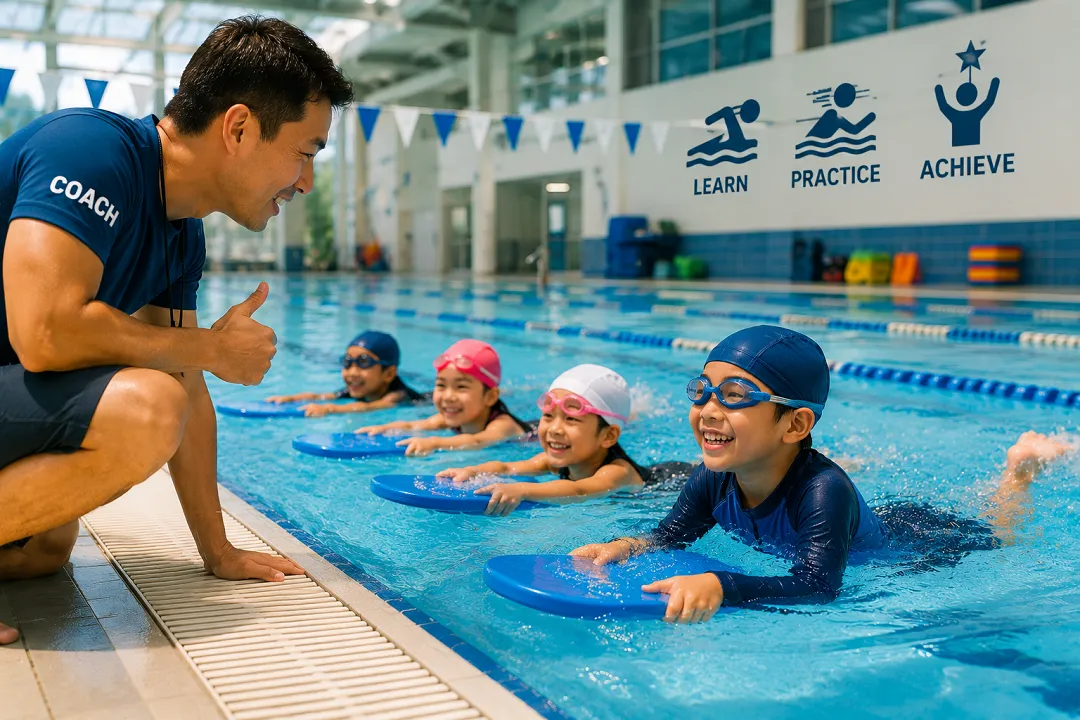
A Swimming class for kids should be designed around children’s physical development, confidence levels, and ability to follow instructions. Younger learners may need more time to become comfortable with water before formal stroke development begins.
For beginners, instructors may introduce skills such as entering the pool safely, blowing bubbles, floating, kicking, and basic arm movements. These foundations can later support more coordinated swimming techniques.
Children also learn differently from adults. Engaging activities, encouragement, demonstrations, and age-appropriate instruction can help maintain their attention. Therefore, parents should consider whether a programme creates a positive learning environment rather than focusing solely on the number of lessons provided.
Regular swimming lessons can support physical coordination, balance, endurance, and water confidence. Children learn to coordinate different parts of their bodies while controlling breathing and movement in the water.
Swimming can also introduce important safety habits. Learning how to move through water, float, control breathing, and respond calmly can contribute to greater water awareness.
However, swimming lessons should not be treated as a substitute for supervision. Even children who swim confidently still require appropriate adult supervision around swimming pools and other bodies of water.
Swimming classes women can be suitable for beginners, recreational swimmers, fitness-focused learners, and adults who want to improve their existing technique. The learning objectives can vary considerably depending on age, confidence, fitness level, and previous swimming experience.
Some women may want to learn swimming from the beginning, while others may already know basic strokes but want to improve breathing, efficiency, or endurance. Private coaching can be useful for learners who prefer individual attention, whereas group sessions can provide a more social environment.
When choosing a programme, learners should consider class schedules, pool location, instructor experience, class size, and the overall learning environment. Comfort and consistency can make a significant difference to long-term progress.
Swimming offers several physical benefits because it involves continuous movement against water resistance. Regular swimming can contribute to cardiovascular fitness, muscular endurance, flexibility, and general physical activity.
Beyond fitness, swimming can also be an enjoyable recreational activity. Learners who develop stronger skills may feel more comfortable participating in pool activities, swimming holidays, or other water-based experiences.
Most importantly, swimming education can help individuals develop greater awareness of how to behave safely around water. Nevertheless, proper supervision and adherence to pool safety rules remain essential regardless of swimming ability.
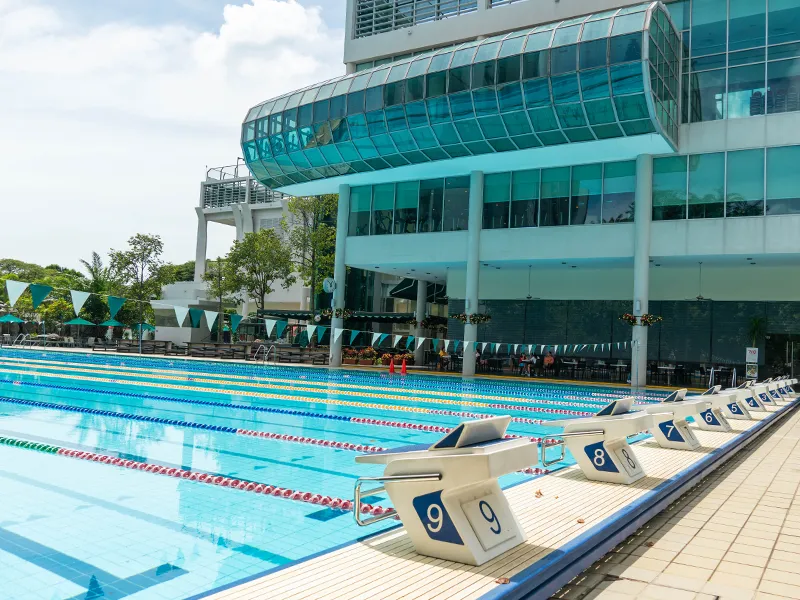
People asking How to Learn Swimming in Singapore? can begin by selecting a programme appropriate for their current ability. Complete beginners should look for instructors who regularly teach foundational skills rather than joining advanced training immediately.
The learning process generally starts with becoming comfortable in the water. Breathing, floating, kicking, and body position can then be introduced before learners progress towards complete strokes.
Regular practice is important because swimming combines several movements simultaneously. A learner may understand a technique during a lesson but require repeated practice before the movement becomes natural.
Group lessons can be a practical option for beginners who enjoy learning alongside others. They often provide a structured lesson environment and can make swimming more socially engaging.
Private lessons, meanwhile, allow the instructor to focus closely on one learner’s technique. This can be useful when someone has specific weaknesses, limited confidence, or a particular objective that requires individual attention.
Small-group classes offer another possibility. They can provide more personal guidance than larger classes while retaining some of the interaction associated with group learning. The best format ultimately depends on the learner’s preferences and goals.
Consistency is generally more important than attending occasional intensive sessions. Regular lessons give learners opportunities to reinforce recently introduced techniques and maintain familiarity with the water.
The ideal frequency depends on age, ability, goals, and available time. Beginners may benefit from regular sessions that prevent long gaps between lessons, while experienced swimmers may follow a more specialised training schedule.
Parents should also ensure that children’s swimming commitments remain balanced with schoolwork, rest, and other activities. A sustainable routine is more likely to produce steady progress over time.
Parents should first check the programme’s suitability for the child’s age and swimming ability. A beginner should not be placed in a class that moves significantly faster than their current skill level.
It is also important to understand class size, lesson duration, pool location, instructor arrangements, and progression structure. These details can affect both the learning experience and the child’s willingness to continue.
Parents should additionally observe how instructors communicate with children. Encouragement and clear explanations can help young learners develop confidence, particularly if they are initially nervous around water.
Adults who already know the basic strokes can use structured coaching to refine their technique. Small changes to body position, breathing, arm entry, kicking, and timing can sometimes make swimming considerably more efficient.
Technique-focused training can also help swimmers reduce unnecessary effort. Instead of simply swimming longer distances, learners can work on movement efficiency and gradually increase endurance.
For those with specific goals, personalised coaching may provide greater value. An instructor can observe the swimmer’s technique and recommend targeted exercises designed around individual weaknesses.
Long-term improvement requires more than learning individual strokes. Swimmers should gradually develop coordination, breathing control, endurance, technique, and confidence while adapting their training to their changing abilities.
A well-structured Swimming training program Singapore can provide this progression by introducing skills in manageable stages. Beginners can establish strong foundations, intermediate swimmers can refine their technique, and advanced learners can work towards performance-based objectives.
Regular assessment can also help identify when a swimmer is ready for the next stage. This prevents learners from progressing too quickly while ensuring that capable swimmers continue to receive appropriate challenges.
Choosing a suitable Swimming training program Singapore can help children and adults develop water confidence, technical ability, fitness, and safer swimming habits. However, the ideal programme depends on the learner’s age, experience, goals, schedule, and preferred learning environment.
Families can explore structured academies and children’s classes, while adults can choose between group, small-group, and private coaching. Regardless of the format, regular practice and qualified instruction are important for steady development.
Swimming is a skill that can remain valuable throughout life. With the right programme and consistent guidance, learners can progress from basic water confidence to stronger technique, greater endurance, and increased enjoyment in the water.
Children can begin age-appropriate swimming programmes when they are ready, with lessons tailored to their development and water confidence.
Learning time varies by individual, but regular lessons and consistent practice can help beginners progress steadily.
Yes, adult beginners can join programmes specifically designed to develop water confidence, basic techniques, breathing, and essential swimming skills.
Private lessons can benefit beginners who prefer personalised attention, flexible pacing, or focused support for specific swimming difficulties.
Compare instructor experience, class sizes, programme structure, location, lesson schedules, safety practices, and suitability for your swimming goals.