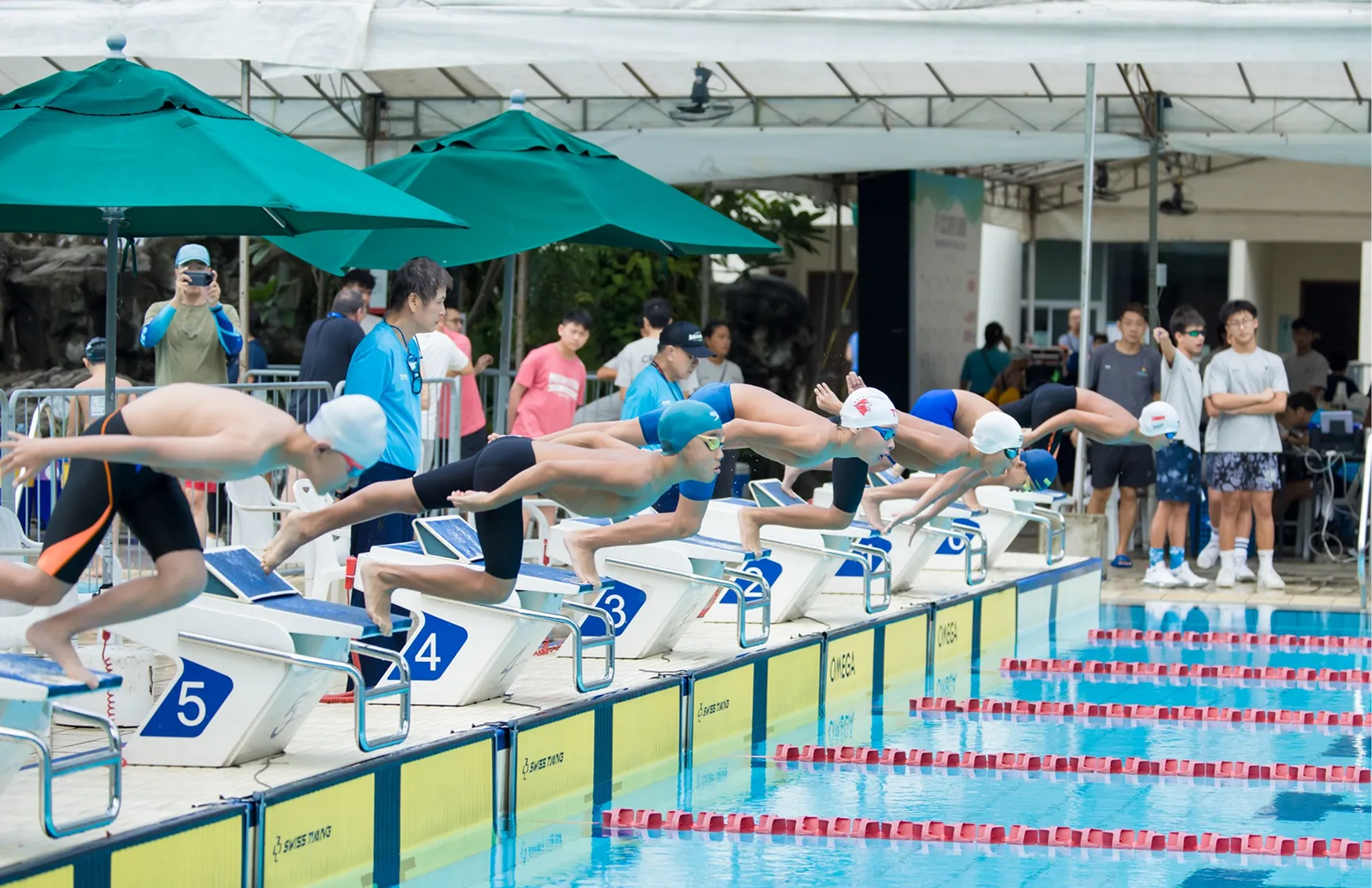
Swimming is more than a recreational activity. It is an important life skill that supports water safety, physical fitness, coordination and confidence. However, developing reliable swimming ability requires regular practice and proper instruction. Swimming Training Classes in Singapore programmes can provide learners with structured coaching that matches their age, ability and personal goals.
Children may need support with water confidence and basic swimming techniques, while adults often look for patient instruction that helps them overcome fear or improve their strokes. More experienced swimmers, meanwhile, may require specialised training to develop endurance, efficiency or competitive performance.
Therefore, selecting the right swimming programme involves more than finding a convenient class. Learners and parents should consider coaching quality, class structure, progression, pool location, training objectives and the swimmer’s current ability before enrolling.
Swimming training classes provide structured instruction designed to help learners develop aquatic skills progressively. Unlike occasional recreational swimming, organised lessons follow a planned approach that allows swimmers to build skills over time.
Beginner classes may introduce floating, breathing, kicking and basic arm movements. As learners become more confident, instructors can introduce recognised swimming strokes and gradually increase the complexity of exercises.
More advanced programmes may focus on stroke efficiency, endurance, pacing, starts and turns. Consequently, swimming classes can serve learners at different stages rather than being limited to first-time swimmers.
A Swimming Training Program Singapore learners select should reflect their individual objectives. Some programmes concentrate primarily on learning to swim, while others provide a longer progression towards improved technique and performance.
For young children, a programme may focus on water confidence, basic aquatic skills and progressive swimming development. Adults may prefer private or small-group lessons that allow instructors to address specific concerns.
Experienced swimmers can benefit from more demanding sessions involving endurance work, technical drills and structured sets. Therefore, the programme should become progressively more challenging as the swimmer’s ability improves.
Swimming involves the coordinated movement of several parts of the body. Breathing, body position, kicking, arm movement and timing all influence how efficiently a swimmer moves through the water.
Without appropriate instruction, learners can develop inefficient habits that become difficult to correct later. For example, poor body alignment may increase resistance, while incorrect breathing can disrupt rhythm and reduce endurance.
A trained instructor can observe these problems and provide specific corrections. Moreover, regular feedback allows swimmers to understand what they need to change and practise those improvements consistently.
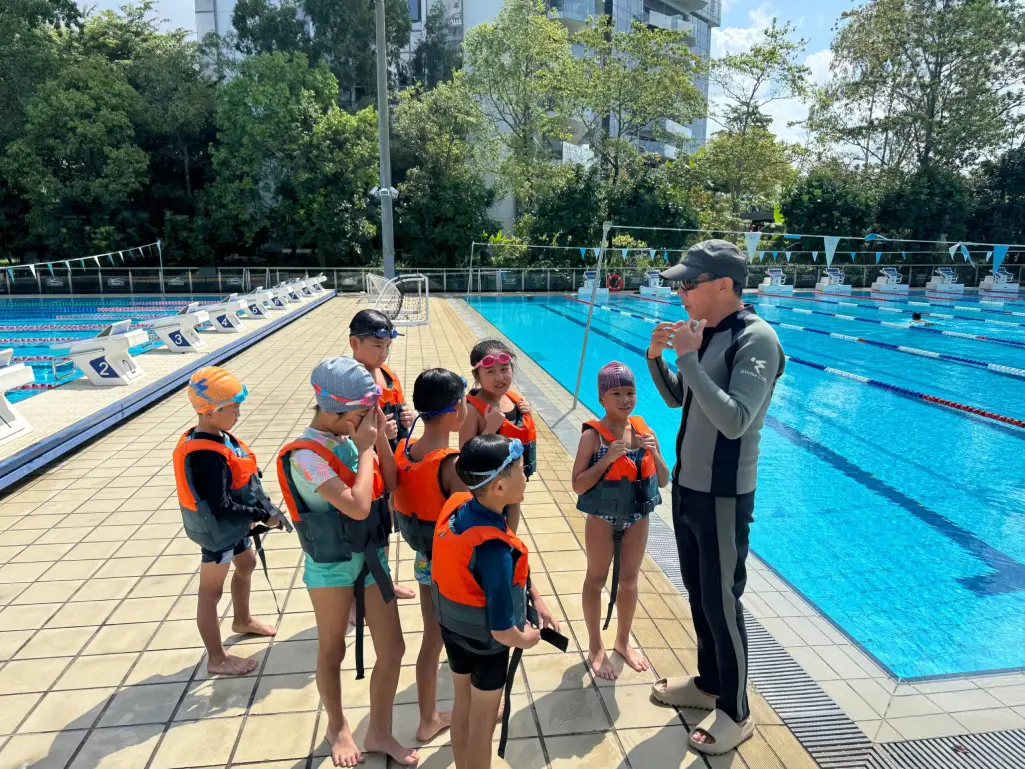
Children Swimming Training Singapore programmes should provide an environment where children can develop skills without feeling unnecessarily pressured. Young learners often progress differently, so lessons should accommodate individual confidence levels and physical development.
Early sessions may focus on helping children become comfortable in the water. Once they develop greater confidence, instructors can introduce floating, breathing, kicking and coordinated arm movements.
Progressive training can eventually help children develop stronger strokes and greater independence in the water. In addition, structured water-safety education can help children understand how to behave safely around swimming pools and other aquatic environments.
A Swim Coaching Programme Singapore swimmers choose should provide more than repetitive swimming laps. Effective coaching should help learners understand how technique affects efficiency, speed and endurance.
For instance, an instructor may identify unnecessary resistance caused by body position or explain how breathing affects stroke rhythm. The swimmer can then practise the adjustment under supervision.
As a result, coaching becomes a process of identifying weaknesses, applying corrections and reinforcing better movement patterns. This approach can benefit both beginners who are learning fundamental skills and experienced swimmers seeking technical refinement.
Swimming Classes in Singapore are not limited to children. Adults can begin learning at any stage, whether they want basic water confidence, improved fitness or better swimming technique.
Adult beginners may initially need time to become comfortable with floating, breathing and moving through the water. Consequently, patient instruction is particularly valuable during the early stages.
More experienced adults may prefer classes that focus on stroke improvement, endurance or fitness. Private lessons can provide highly targeted feedback, while group sessions may offer a more social and structured learning environment.
Personalised coaching can be particularly useful when a learner has specific difficulties. Instead of following the same lesson structure for everyone, an instructor can focus on the swimmer’s individual weaknesses.
For example, one swimmer may struggle with breathing technique, while another may have difficulty maintaining body position. These learners would benefit from different exercises and explanations.
Furthermore, individual coaching can make it easier to monitor progress. The instructor can adjust the training intensity and introduce new skills once the swimmer demonstrates sufficient control. This creates a more responsive learning experience.
A Swimming Academy in Singapore learners consider should offer a clear progression between different skill levels. This is particularly important for children and swimmers who plan to continue training over an extended period.
Parents should examine the academy’s teaching structure, instructor experience, class sizes and available programmes. They should also determine whether the academy caters to the learner’s current level rather than simply enrolling based on convenience.
Location is another practical consideration. A programme that is easy to reach and fits comfortably into the weekly schedule is more likely to encourage consistent attendance.
For children in Singapore, water safety can be an important part of swimming education. SwimSafer is a national programme with progressive stages covering swimming proficiency and water-survival skills. Sport Singapore states that children can enrol through participating schools or privately with accredited SwimSafer instructors.
Parents considering a swimming programme should therefore determine whether SwimSafer preparation is included if certification or structured water-safety development is an objective.
The programme’s staged structure also provides a useful framework for tracking development. However, parents should still consider the child’s broader swimming needs, including confidence, stroke technique and regular practice.
A Masters swimming training program can provide structured training for adult swimmers who already possess basic swimming competence. Rather than focusing on learning fundamental water skills, these programmes generally place greater emphasis on technique, endurance, fitness and performance.
Masters swimmers may have different objectives. Some participate primarily for fitness, while others want to improve their times or prepare for competitions. Therefore, training intensity and session structure can vary.
Regular coaching can also help experienced swimmers identify technical inefficiencies. Even capable swimmers may benefit from refining stroke mechanics, breathing patterns, pacing and turns.
Learners generally have several training formats to consider. Group classes can provide opportunities to learn alongside other swimmers, practise skills repeatedly and develop confidence in a social setting.
Private lessons, on the other hand, provide more individual attention. This can be particularly useful for nervous beginners, learners with specific technical difficulties or swimmers who want accelerated skill development.
Small-group lessons can offer a middle ground by providing greater instructor attention without the full cost of individual coaching. Therefore, the best format depends on the learner’s needs, budget and preferred learning environment.
Before joining a swimming programme, learners and parents should assess whether the class genuinely matches their requirements. A programme designed for beginners may not provide enough challenge for an experienced swimmer, while an advanced class can overwhelm someone who is still developing basic water confidence.
Important considerations include:
These factors can make the difference between simply attending lessons and achieving measurable swimming progress.
Swimming skills develop through repetition. A learner may understand a technique during one lesson but still need regular practice before the movement becomes natural.
For children, weekly lessons can reinforce skills while allowing them to progress gradually. Adults can similarly benefit from consistent sessions when working on stroke technique or endurance.
Moreover, progress should be measured realistically. Improvement may initially appear as greater water confidence or better breathing control before becoming visible through increased swimming distance or speed.
The most effective Swimming Training Classes in Singapore programmes should support continuous development rather than focusing only on short-term results. A learner who becomes comfortable with basic swimming may later want to improve technique, build endurance or pursue more advanced training.
A programme with clear progression can make this transition easier. As swimmers develop, they can move from foundational skills to more demanding drills and structured training.
Ultimately, swimming development is a gradual process. Good coaching, regular attendance and appropriate practice can help learners build skills that remain useful well beyond the initial lessons.
Swimming Training Classes in Singapore programmes can support learners at many stages, from children taking their first lessons to adults refining established swimming techniques. The right programme should reflect the swimmer’s age, current ability, objectives and preferred learning environment.
Parents should consider coaching quality, class structure and progression when selecting Children Swimming Training in Singapore. Adults can compare group, private and specialised programmes according to their goals, while experienced swimmers may benefit from a structured Masters programme.
Most importantly, swimming improvement requires consistency. With suitable coaching and regular practice, learners can develop stronger technique, greater water confidence, better endurance and improved swimming safety.
Children can begin age-appropriate swimming and water-familiarisation lessons when they are ready, with programmes varying by provider and developmental needs.
Yes. Adult classes can introduce water confidence, breathing, floating and basic strokes before progressing towards stronger swimming skills.
It is structured coaching designed to improve swimming technique, water confidence, endurance or performance according to individual ability.
It is structured adult training for competent swimmers who want to improve technique, fitness, endurance or competitive performance.
Regular weekly lessons and practice generally provide better continuity than occasional sessions because swimming skills depend heavily on repetition.